Published By: JobsBank Singapore
Getting Yourself Prepared
Do you know how to capture an employer’s attention from the get-go? It starts with something as simple as a well-structured, concise cover letter and resume that attracts employers into granting you an interview.
The elements under the Job Search Checklist below are a general guideline that will be helpful in your employment search:
1. Impress employers through your cover letter
2. Enhance your resume
3. Know the job search avenues
4. Create positive first impressions
5. Ace the interview
1. IMPRESS EMPLOYERS THROUGH YOUR COVER LETTER
A cover letter is the first point of contact with an employer and it is important to leave a positive first impression. Key points should capture the employer’s attention, so keep your cover letter concise – short, sweet and to the point, preferably within a page.
The followings are some key points to consider in your cover letter:

Highlight your strengths
- State clearly your skills, certifications, knowledge and professional experience
- Include additional capabilities that can add value to the position you are applying for

Demonstrate relevance of your skills and show understanding of the company
- Explain how your strengths and professional experience can benefit the company
- Show your understanding of the company, and of the position you have applied for
(A good way is to look at the company’s Vision and Mission Statement)

Take the initiative for an update
- Proactively contact the company to follow up on your job application status

Substantiate why there is a job fit
- Explain how your values and career ideals relate to the position for which you are applying
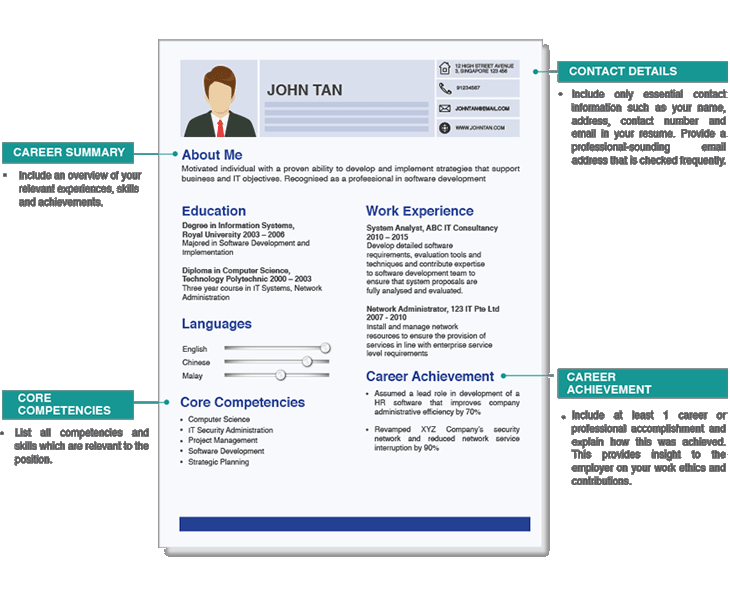
2. ENHANCE YOUR RESUME
Learn how to highlight relevant achievements and skills in your resume. Find out more about what you should take note of below:
3. KNOW THE JOB SEARCH AVENUES
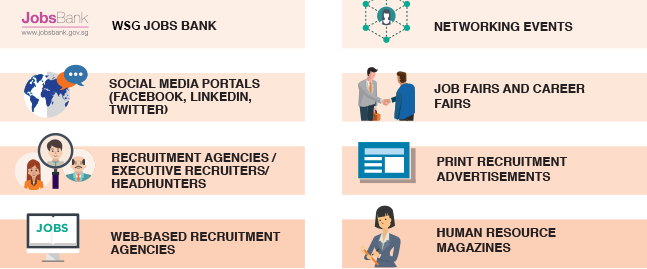
Job listings do not just appear in the newspaper or magazine advertisements. Stay up-to-date on the latest labour market trends and technologies through various platforms such as online job portals, social media channels and networking events.
These platforms allow employers to reach a larger mass of candidates, so be sure to explore these alternative avenues during your job search.
4. CREATE POSITIVE FIRST IMPRESSIONS
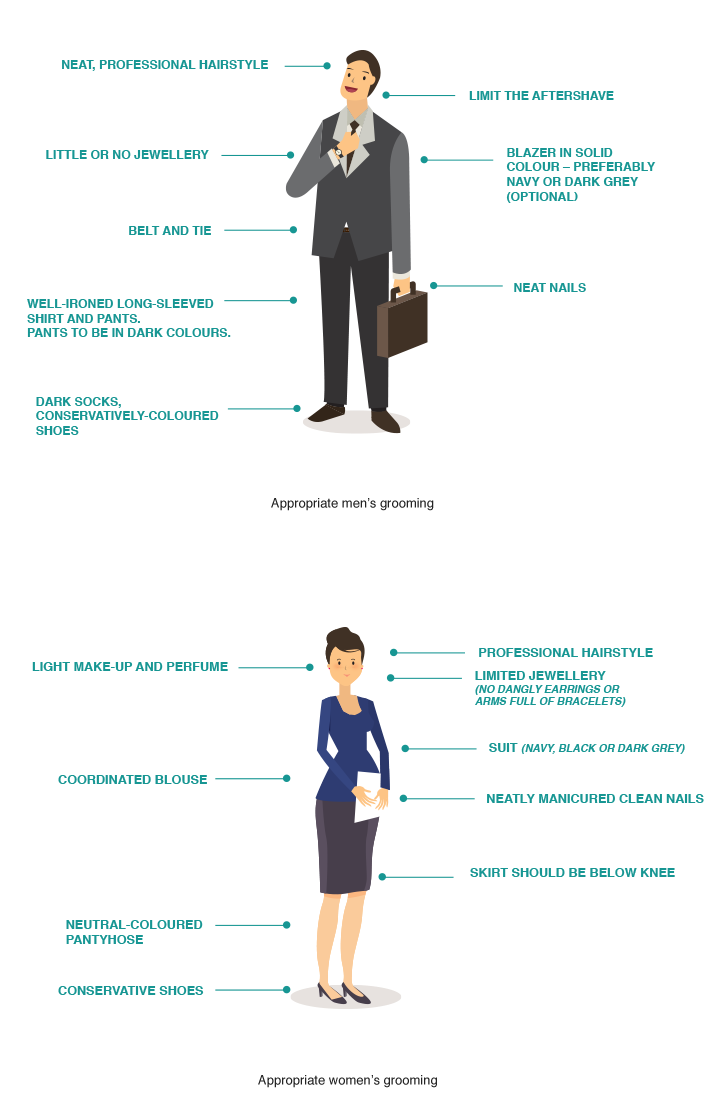
The way you dress, groom and conduct yourself at an interview makes a lasting first impression and tells the potential employer that you respect them and care about what they think. Dress professionally and leave a positive imprint they will remember long after you leave the room.
5. ACE THE INTERVIEW

Be confident
Be in a positive frame of mind. It is important to understand and know your key strengths going into the interview. When speaking to the interviewer, always reinforce those key strengths confidently, and relate them back to the role you are interviewing for.

Demonstrate your knowledge of the company for the position you have applied
Show that you know the company and the role you have applied for. Read up and understand the company before the interview. Doing your homework also shows your interest and passion in wanting to join the organisation.

Maintain positive body language
Be confident and relaxed while walking into the interview room. Give a firm handshake, smile sincerely and engage the interviewer with good eye contact.

Be open about your job search
If you are concurrently exploring other job opportunities, let the interviewer know. This indicates that they have to act fast if they are interested in hiring you.

Talk about your strengths and give specific examples
Explain how your strengths can help, and add value to the company. Provide specific examples on how your strength was the success factor in your previous professional achievements, such as increasing sales or improving a client relationship. Talk about these strengths in relation to the role you’re interviewing for, and how these strengths can benefit the role.

Avoid discussing salary and benefits at the first meeting/interview
It is inappropriate to discuss the topic of salary and benefits during the first meeting (unless the interviewer brings it up first). Keep the conversation professional, on topics such as your strengths, experiences and deep interest in the company.
This article was first published on JobsBank Singapore. Information is correct at the time of publication.